

Perseity Newsletter
February - May 2026
This spring, the perennial return of warmth was accompanied by the perennial question: Why paint?—and, if paint, how? (—and how not.)

Why Paint? | by Candice T. Seymour | April 12, 2026
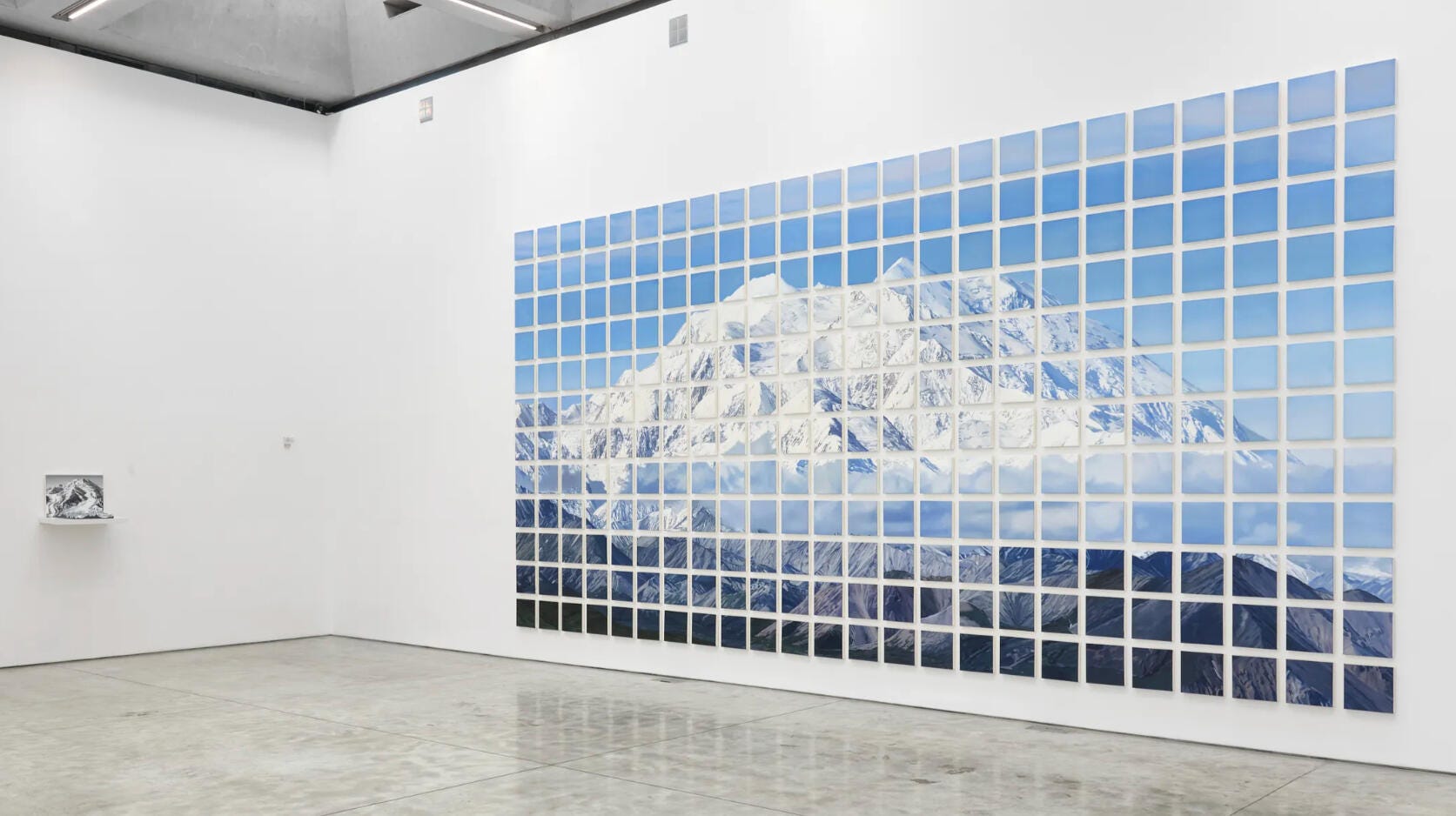
“Painting as an artistic category is irrelevant. We don’t care about its development or lack thereof, its transhistorical relevance or lack thereof. All we care about is the creation of new forms. It is more than clear that not all paintings succeed in producing new forms. But it is just as clear, by their dependence on press releases and our dissatisfaction with them, that so-called artworks in other media don’t necessarily succeed in producing new forms. In a time when art can be in any medium, we must recognize that the achievement of a new form is more complicated. A work that fails to become a new form doesn’t merely reproduce a dated form: it fails to achieve form at all.”
Temporal Formalism | by Matthew Herriot | May 1, 2026
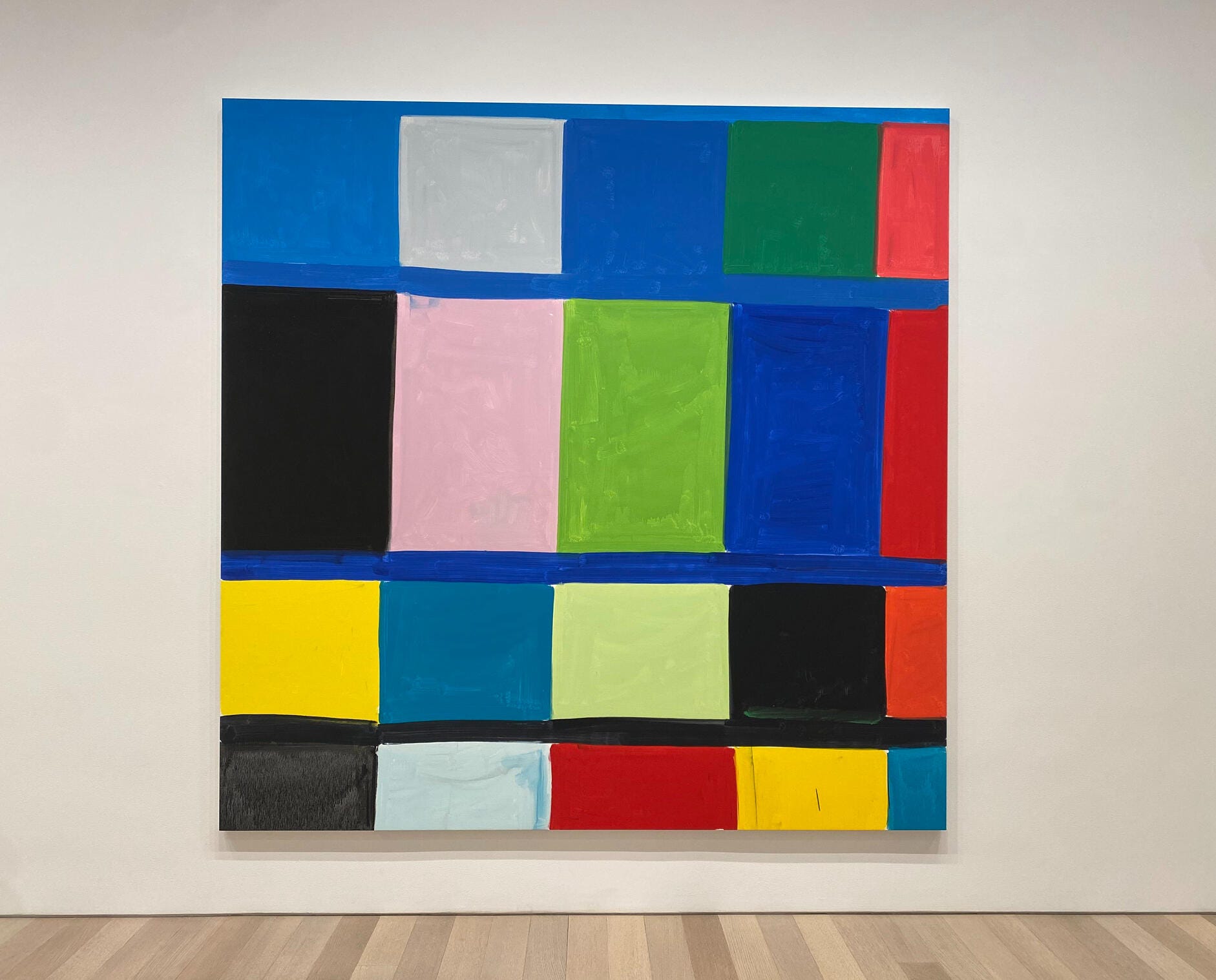
“Painting is not dead because everything has been done before; it is in crisis because anything that can possibly be done is acceptable. Since painting no longer has binding rules, viewers no longer share a common set of historically grounded expectations. Without shared expectations, artists have nothing to disrupt. With no disruptions, viewers quickly recognize what they are looking at, and perception closes. This means that painters can continue painting, as they are doing today, but only with a trade-off: few paintings are actually encountered as art. In response, most contemporary painters settle for the illusion of novelty through material gimmicks (using unconventional surfaces or techniques) and inflated language (relocating meaning outside the painting by saying it is about something). The net result is an art world in retreat. Paintings today are experienced as decorative objects with external narratives attached to them. We repeat these narratives to justify making art that is so often perceptually inert.”
Manner and Technique: Noel de Lesseps at Entrance | by Anna Gregor | March 14, 2026
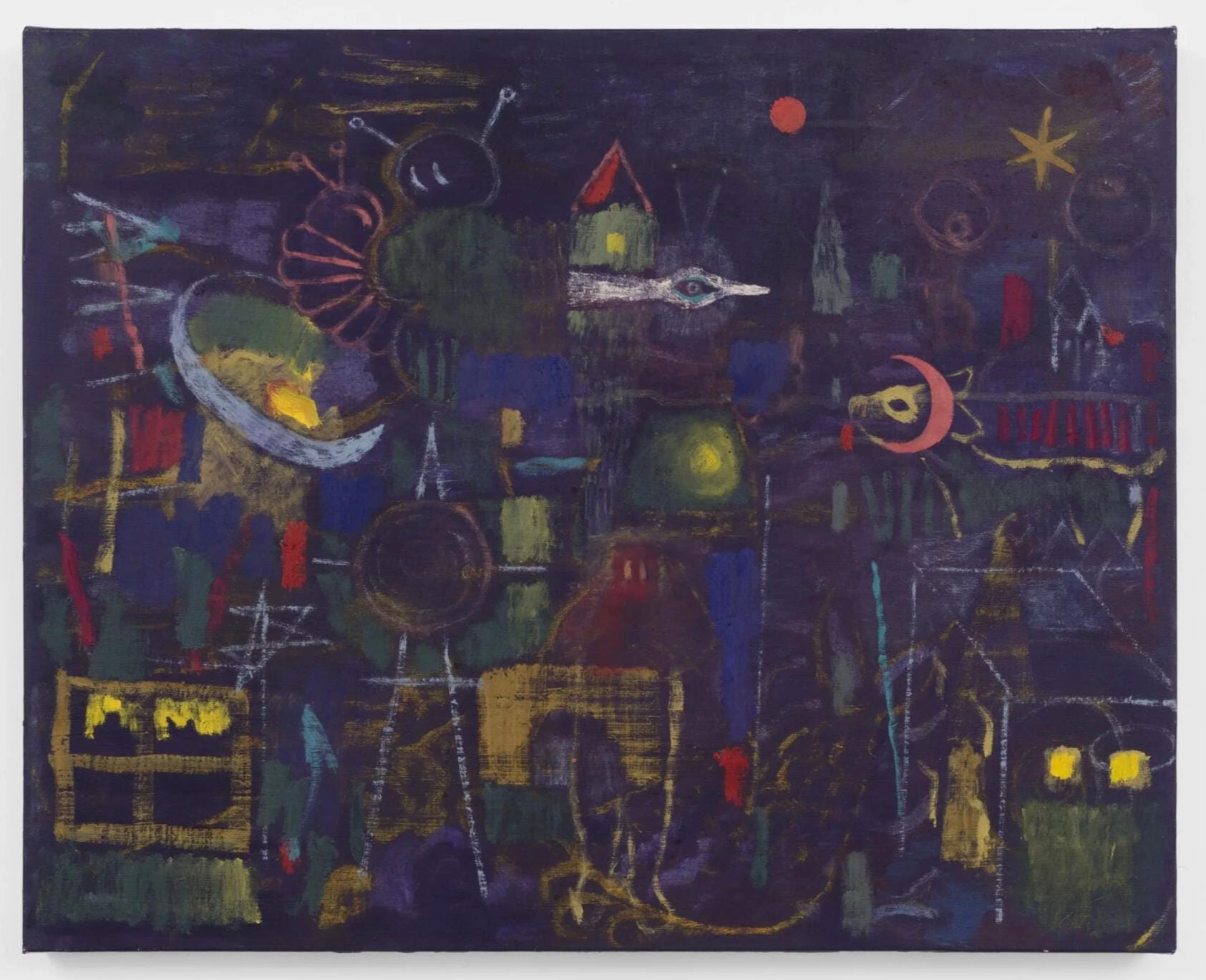
“Visit almost any MFA program. The supposedly trained students have likely never completed the exercises we imagine artistic training to entail (say, mixing a scale of chromatic greys from complementary colors or learning how to sight with a pencil while drawing observationally). And if an odd student chanced to have gone to an undergraduate program that hadn’t deskilled its curriculum (whether the curriculum committee was motivated by a romantic picture of direct expression or were simply resentful of the training they had to endure without seeing any use for it), the MFA candidate has probably forgotten it all by now. Such training is no longer a prerequisite for making art. (“My kid could do that!”) This is not news. Ryman made Twin, the all-white painting in MoMA’s collection, sixty years ago. Considering that a urinal bought on 5th Avenue has been considered art for at least as long, there is no reason that an art student must learn (traditional, Western European) techniques (but, likewise, no necessity that they shouldn’t). Twin, although it is just white paint applied to cotton duck, taught Ryman, and teaches a viewer, how much there is to see in what we first thought to be an “empty” painting—and it does so itself (not because wall plaques never tire of telling us that Ryman was a trained jazz musician) in how the paint is applied by hand with a single flat brush at a specific angle, how a thread-thick border of canvas remains unpainted at the turning edge, how the corners are folded like a pinwheel: every decision matters. So each artist must teach themselves, must learn the technique proper to each painting every time they paint.”
Reflections from a Dead End: Flora Yukhnovich’s Four Seasons at The Frick | by Eric Bayless-Hall | February 19, 2026
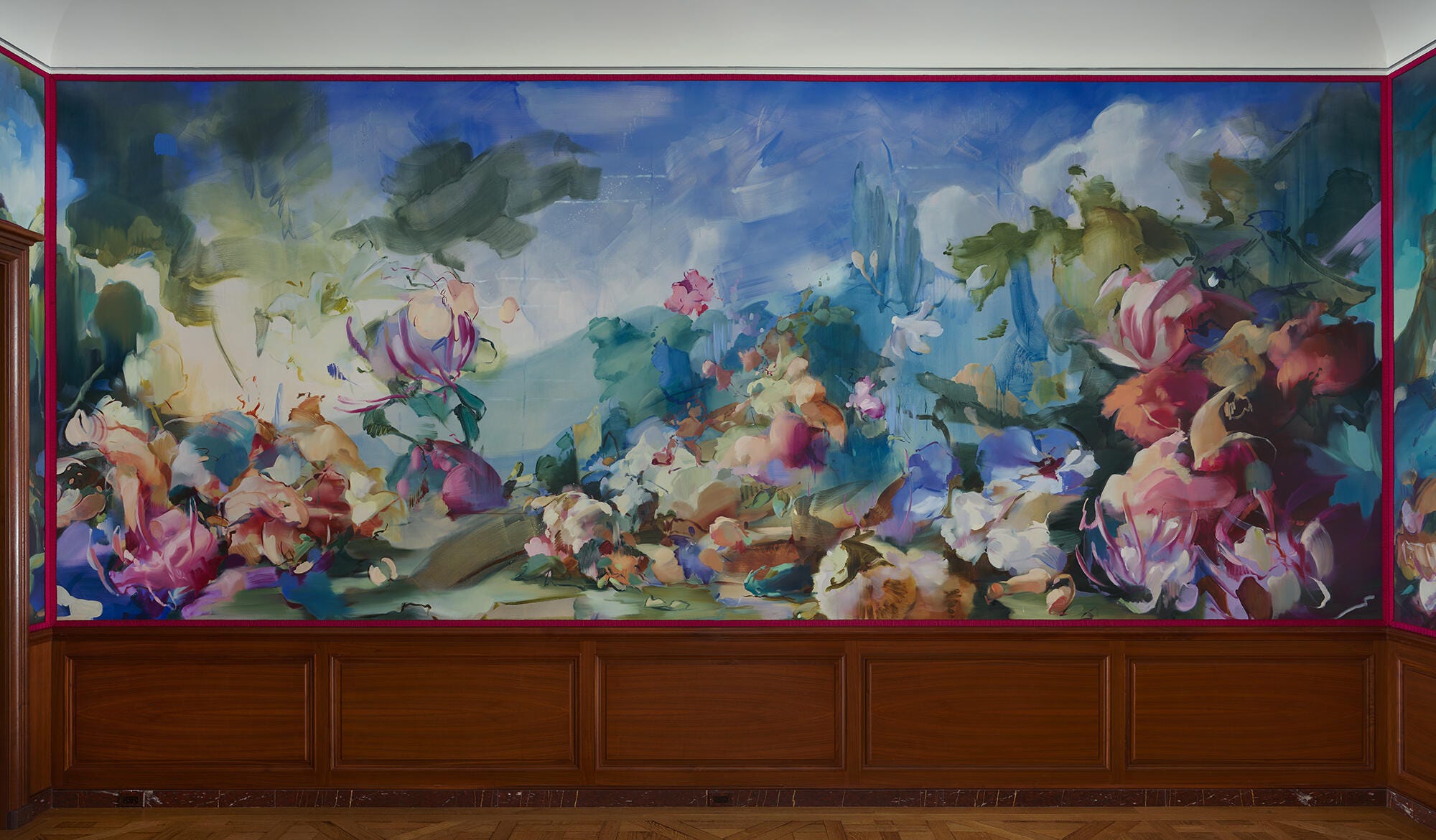
“I think we are liable to confuse ourselves about what meaning is and isn’t, and so insist on it where it isn’t and deny it where it is. Part of this is no doubt owed to a genuine mystery. But I say baldly, but not blithely, that a work is meaningful which we want to keep attending to, turning and returning to. And this wanting is not a matter of words alone—of saying you want to—but of caring to and, opportunities availing, continuing to. The great works of art—the works that compose our personal canons (personal cabinets), that act as touchstones for the great—are those we are never done seeing or reading or hearing (etc.). (I take this to be definitional of a great work of art, not an accident to one.) So the promises that Four Seasons makes are promises to continue rewarding attention. Instead, however, and I say this without denying the pleasantness of its painterly moments, we find abundance covering over a deeper lack. Many forms will certainly take longer to see than fewer, but that doesn’t change the fact of their finitude, that once you see every inch of the canvas, you’ve seen all there is to see.”
Dissent, praise, another perspective?—We welcome letters to the editor. Send them to editor@perseity.nyc, and indicate whether you’re willing to have the letter published on the website.
Stay tuned for a Perseity summer reading group led by Eric Bayless-Hall and Anna Gregor, centered around prose style in art critical essays.